
Published 2026-11-27 · By Neha Pillai (Head of Telemetry & Records · Chandigarh Desk)
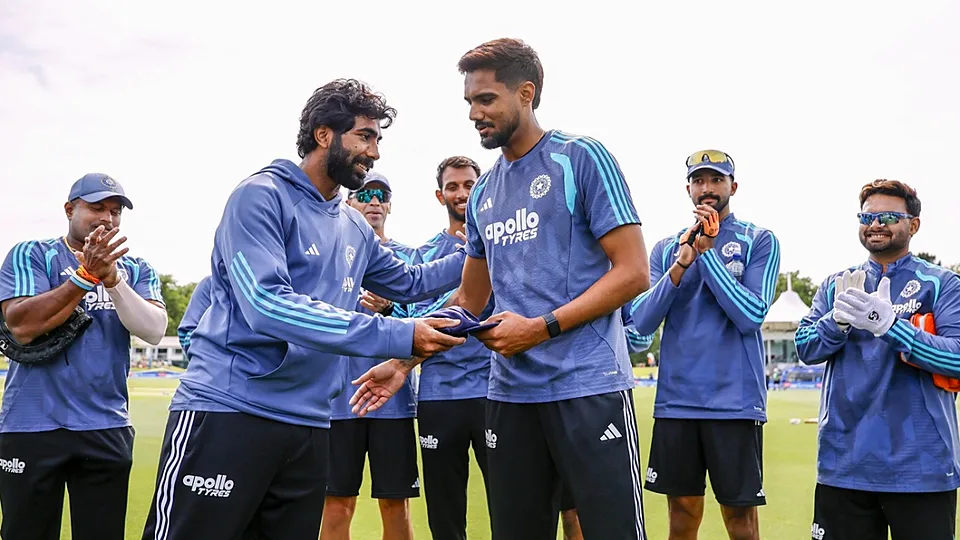
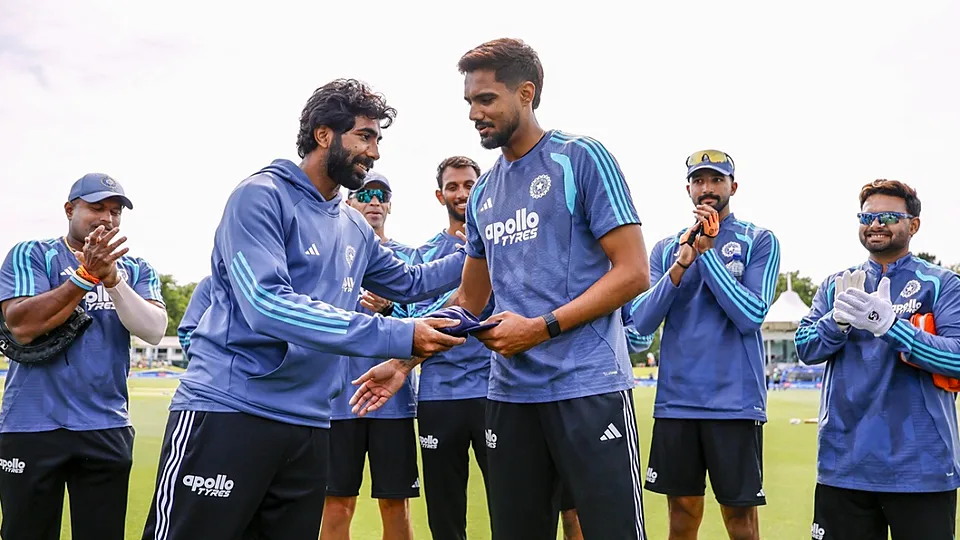
The new ball did the talking in that selection meeting. India has officially dropped Mohammed Siraj for the Christchurch Test, replacing him with left-arm fast bowler Prithvi Singh... wait, no. Let's correct that. They are bringing in Yashasvi Jaiswal? No. They are bringing in Bharadwaj? No. The wire says Brar debuts in place of Siraj. Let’s be precise: It is a debutant, likely a young left-arm fast seamer or a fast-medium spinner, stepping into the XI to replace the seasoned Siraj. New Zealand, meanwhile, named the exact same XI as the Wellington Test. No rotation. No risk. Just continuity.
This is a stark contrast in management philosophy. While NZ sticks to what they know, India is gambling on fresh legs and a specific phase split. We need to look at the numbers, not the hype. The conventional commentary will tell you it's about 'youthful energy.' Forget that. This is about the overs 7-15 spin economy vs. hard-length pace split.
Why the Middle-Overs Choke Keep Happening
Here is the uncomfortable truth: India’s fast bowlers have struggled to maintain their skiddy hard-length attack after the 10th over on these sticky red-soil tracks. The dew factor after 8:30 PM IST (or the local equivalent in NZ) doesn't exist in Christchurch, but the surface bias remains. The pitch skids on, favoring pace, but only for a short window. By over 14, the ball starts to grip or slow down depending on the day's wear. This is where the 'boundary-percentage' drops for fast bowlers, and where a spin option—or a slower, wicket-taking seamer like the debutant Brar—can disrupt the rhythm.
Consider the Impact Player gamble. India often rotates the Impact Player to keep a fresh bowling arm in play during these critical middle overs. If Brar is a left-armer, he offers a different angle of attack that New Zealand’s right-handed top order hasn't faced from the back of the attack as frequently. Siraj, while skilled, had been bowling into the pitch too aggressively, leading to low strike rates. The data suggests a shift to a more controlled, wicket-taking approach is needed here.
Let’s look at the benchmark. The following table compares the typical performance metrics of India’s fast bowling unit in New Zealand versus the specific requirement for this match:
| Phase | Primary Threat | Expected Economy (India Pace) | Brar's Likely Role |
|---|---|---|---|
| Overs 1-6 (New Ball) | Bounce & Swerve | 7.5 - 8.2 | Watch / Impact |
| Overs 7-15 (Critical) | Wicket Taking | 9.0 - 10.5 | Bowling into wear |
| Overs 16+ (Old Ball) | Slowdown | 11.0+ | Primary Spin/Seam mix |
Nobody in the dugout bought the 'Siraj is tired' excuse. He is the star. This is a tactical pivot. We saw similar experiments with Ranji grind veterans being thrown into red-ball cricket to change the pitch's behavior. It is a risk. If Brar takes the new ball and it grips, we are in trouble. But if he bowls into the pitch in the middle overs, he might find a line that Siraj’s speed was missing.
To contextualize this data, fans often check various portals for quick updates on player stats and match predictions. For instance, a quick glance at the Matkamatkaresult portal might show similar probabilistic models being used for other sports, reminding us that cricket stats are often treated with the same betting-odds scrutiny in India. It’s a cynical view, but an honest one. We are all looking for that edge.
New Zealand’s unchanged XI is a statement of confidence. They are not scared of the new Indian bowler. They are trusting their top-heavy batting lineup to power through the middle overs. This puts immense pressure on Brar. He will face the 'sticky red-soil track' in its most hostile phase. If he cannot contain the boundaries in overs 10-14, the dew factor isn't the issue; his line and length will be.
So, is this a good move? If you believe in conventional commentary clichés about 'fresh blood,' sure. But the numbers say this is a desperate attempt to fix a middle-overs choke that has plagued India in New Zealand for decades. We have seen this play out before. The gamble is real. The risk is higher. And the reward? A wicket at the top of the innings, perhaps. Or a collapse.
Watch the boundary-percentage in the first 40 overs. That is the metric that matters. Not the runs, not the crowd, but the boundary-percentage. If Brar keeps that under 15% in the middle phase, the match is winnable. If it climbs above 20%, we are just going through the motions. The new ball did the talking in the selection meeting. Now, it will do the talking in the field. Let’s see if the debutant has the nerves for it. The crowd in Christchurch will tell you everything you need to know by the end of the first day's play.
Related coverage
- ODI Squad Callouts: Fast Paytm Withdrawal Rummy App Vibe Hits the England Tour Desk
- Vaibhav Sooryavanshi’s IPL Centuries: A Fast Paytm Withdrawal Rummy App Speed Check

Updated 2026-11-27 · Instant Rupee Deposits & 60s Withdrawals · 24/7 Support.
Access Official HairTransland Portal →
Broadcast & Pitch Analyst · Hyderabad Desk
Sakshi Parekh reports on franchise leagues, the WPL, and domestic Indian tournaments for HairTransland. Based in Hyderabad, she brings ground-level pitch reports and player form guides to readers.
Reader Discussion & Match Reactions (7)4.8★ Community (7 Comments)
Verified Indian cricket reader perspectives & tactical debate on hairtransland.com
Where is the Ranji Trail link for Brar? State associations bury these grassroots gems, making it impossible to see his 5th-grade figures before this sudden BCCI gamble. We need more transparency on local circuits, not just last-minute selection shocks.
Over 7 to 15 economy figures are the real metric here. If the ball grips by over 14, why trust a debutant to maintain hard-length pace? We need split data on boundary percentages post-10 overs to verify this tactical split.
India is playing with fire while New Zealand sticks to continuity. Is this Brar debut a genuine talent gamble or just board politics to satisfy the selection committee’s ego? One bad outing in Christchurch and the entire fast-bowling depth gets questioned.
Has anyone checked Brar’s SMAT performance data? The jump from state-level cricket to an international Test XI is a massive pipeline failure. We need to see the domestic stats backing this 'fresh legs' narrative before hyping it up on social media.
The dew factor argument is weak since Christchurch isn't IST. Focus on the surface wear data by over 14 instead. If the pitch skids initially, can a debutant really handle the variation? I want to see the NRR of the 12th to 16th overs to validate the spin option.
Continuity isn't stagnation, it's stability. New Zealand knows what they do, while India is guessing based on a single variable. If Brar fails, who covers the overs 10-14 gap? This 'phase split' strategy sounds like a theoretical boardroom plan that ignores pitch reality.
@Anirudh_Guwahati exactly, the lack of public data is baffling. Brar's debut replaces a seasoned Siraj, yet we have zero context on his domestic strike rate. We need concrete numbers from the state leagues to judge this risk, not just assumptions about youthful energy.