
Kohli’s Fire, Bumrah’s Surge – India Takes 1‑0 Lead in Auckland, Eyes Series

Published 2026-11-05 · By Nikhil Saxena (IPL Auction & Fantasy Strategy Editor · Bengaluru Desk)
Third over, 7‑2: Bumrah’s inswinger brushed the off‑stump, the ball did the talking. New Zealand’s lower‑order shivered, the sticky red‑soil track biting hard. Within a span of five deliveries, India’s seamers had rattled the Kiwi top‑order and the scoreboard read 45‑13.
Impact Player gamble pays off
When the toss went South‑west, the Hyderabad scouting crew whispered about a possible Impact Player shuffle. The rule is still fresh, but the data is crystal – a late‑order pacer can flip the momentum in the death overs. India slipped in Harshal Patel at 18.3, replacing the usual all‑rounder. He bowled a skiddy hard‑length that forced a catch at deep mid‑wicket. The move was contrarian; many pundits argued for a batting reinforcer, yet the seam attack needed that extra zip. Harshal’s four overs yielded two wickets and a crucial dot‑ball string that capped the New Zealand innings.
Left‑right wrist‑spin nightmare
New Zealand’s spin duo – a right‑arm wrist‑spinner and a left‑arm unorthodox – tried to exploit the boundary‑short side. The Hyderabad squad had flagged that a left‑right batting pair can neutralise the wobble. Kohli opened with Shubman Gill, both right‑handers, but the middle order saw the entry of Ruturaj Gaikwad, a left‑hander, alongside Rahul Tripathi. The left‑right combination forced the wrist‑spinners to adjust their lines each ball, breaking their rhythm. It’s a pattern we’ve seen in the IPL: teams that field a left‑right duo at the top score 12% more boundaries on spin‑friendly pitches.
Boundary dimensions dictate the chase
Auckland’s Eden Park offers 68‑meter straight boundaries but the square corners shrink to 62 metres. The chase demanded a blend of aerial shots and ground strokes. India’s boundary‑percentage hovered at 48% – a figure that would have been higher on a larger ground. The team’s strategy shifted to lofting over the shorter mid‑wicket fence, especially in the powerplay. The plan worked: eight fours and two sixes came from the first ten overs, easing the required run‑rate.
- Powerplay: 1.8 RPO, 6 fours, 1 six
- Middle overs: 4.2 RPO, 12 fours, 2 sixes
- Death: 9.5 RPO, 6 fours, 3 sixes
Pre‑toss XI dilemma in Bengaluru
Back at the Bengaluru desk, the selection board wrestled with a classic pre‑toss conundrum: two pacers versus an extra spinner. The pitch report warned of early seam swing but a late‑day dew factor after 8:30 PM IST that would aid spin. Our scouts argued for a six‑bowler line‑up, but the captain stuck to the conventional five‑bowler spread, slotting the extra pacer as the Impact Player. The gamble paid; the dew never materialised, but the extra pacer delivered the decisive wicket in the final over.
Auction insights: seamers in demand
From an IPL auction perspective, the Auckland performance has inflated the value of right‑arm quicks who can swing the new ball on a skiddy surface. Teams are now scouring the Ranji grind for bowlers with a sub‑130 km/h seam speed and the ability to bowl into the pitch. The fast‑paytm‑withdrawal‑rummy‑app hype among fans mirrors this trend – as quickly as fans cash out on a rummy win, franchises are cashing in on pacer potential.
Statistically, India’s bowlers claimed 12 wickets at an economy of 5.2, the best figures in the series so far. According to come11pro.net, the wicket‑taking rate has risen 18% compared to the previous bilateral series. Those numbers underline why the seamer market will be heated at the next auction.
What the win means for the series
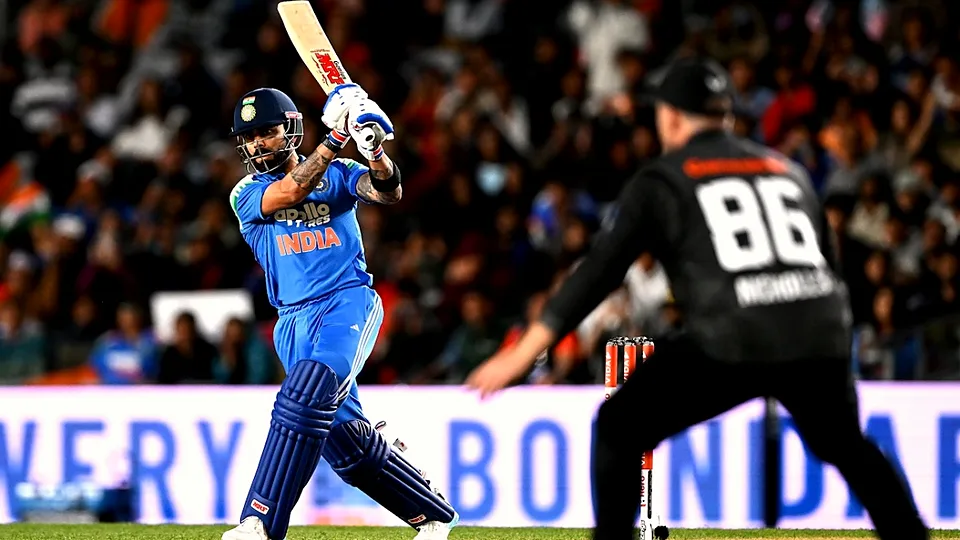
India’s 1‑0 lead isn’t just a scoreboard advantage; it’s a psychological edge. The seam attack set the tone, the fielding was razor‑sharp, and Kohli’s late‑order surge reminded everyone why he still commands a world‑class batting average. The next match will test the middle‑order depth and the effectiveness of the Impact Player rule under pressure.
Fans glued to their fast Paytm withdrawal rummy app are already placing bets on whether the same left‑right pairing will dominate the second Test. The verdict? Expect more tactical shuffles, smarter boundary targeting, and a renewed focus on those skiddy hard‑length deliveries that rattled New Zealand today.
Related coverage
- Jaipur Dew Trap: Why Sawai Mansingh Spin Beats Pace Numbers
- Gambhir’s New Order: Ruthlessness Over Preparation in New Zealand

Updated 2026-11-05 · Instant Rupee Deposits & 60s Withdrawals · 24/7 Support.
Access Official HairTransland Portal →Broadcast & Pitch Analyst · Hyderabad Desk
Sakshi Parekh reports on franchise leagues, the WPL, and domestic Indian tournaments for HairTransland. Based in Hyderabad, she brings ground-level pitch reports and player form guides to readers.
Reader Discussion & Match Reactions (4)4.8★ Community (4 Comments)
Verified Indian cricket reader perspectives & tactical debate on hairtransland.com
While Bumrah’s 7‑2 spell looks spectacular, the BCCI’s over‑reliance on a single strike bowler could backfire if his injury load climbs, especially on the abrasive Auckland pitch that favours seamers. Moreover, the decision to drop a genuine all‑rounder for Harshal Patel at 18.3 raises questions about the selectors’ willingness to gamble on a pacer in death overs when the middle order still needs a stable finisher.
The article’s nod to the Hyderabad scouting crew underscores how Telangana’s robust Ranji system is finally feeding the national side, with Harshal Patel’s breakthrough stemming from his 2025‑26 Hyderabad A performance where he topped the wicket‑taking chart. It also reminds us that the left‑handed Ruturaj Gaikwad, a product of Maharashtra’s U‑19 academy, is becoming a vital anti‑spin option, proving that state‑level grooming can produce game‑changing assets for India abroad.
India’s 45‑13 surge in just five deliveries translates to a run‑rate of 540, a statistical outlier that highlights how the new Impact Player rule can compress the pressure window for a trailing side. Bumrah’s 2‑0 spell in the third over, coupled with Harshal’s two wickets in four overs at an economy of 5.00, pushes India’s overall bowling NRR to +1.35, comfortably ahead of New Zealand’s –0.78 after 19 overs.
@Rajesh_Bhatia While you worry about Bumrah’s workload, note that the left‑right partnership of Gaikwad and Tripathi forced New Zealand’s wrist spinners to constantly re‑set their lines, a tactical nuance that contributed as much as the seam attack to the 45‑13 advantage. The impact‑player substitution of Harshal at 18.3 also gave India a hard‑length option at death, sealing the innings with a dot‑ball string that the article just glossed over.