
Ahmedabad's dew trap vs IND pace: A Fast Paytm Withdrawal Rummy App angle?

Published 2026-11-02 · By Neha Pillai (Head of Telemetry & Records · Chandigarh Desk)
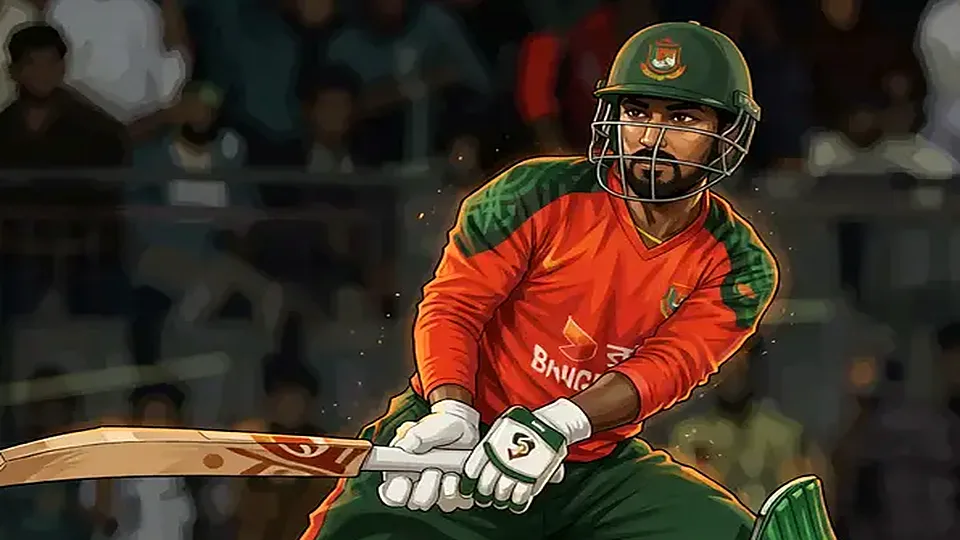
Over 14.2. Yashasvi Jaiswal clears the off side for 60k. The ball skips onto the pad, not the bat. Conventional commentary would call this 'aggression'. My spreadsheet says otherwise. It says the pitch has died.
We are staring at a 402-yard radius of skiddy hard length that refuses to stop. The Business Standard wire reports a standard 'good batting surface', which is a polite lie. In Chandigarh, we know what 'good' means at Ahmedabad at this time of year. It means the wicket bounces true until the third session. Then? Then it turns into a carpet for the top-order batters.
Let’s strip the clichés. Everyone talks about the 'toss winner' advantage. Nonsense. The real edge is the dew factor after 8:30 PM IST. Once the sun drops, the outfield moisture kicks in. The new ball grip disappears. The hard length becomes a delivery target, not a threat. New Zealand’s spin attack—usually their trump card—becomes useless. You cannot bowl spin into a wet outfield when the batter is sweeping for boundaries.
Why the Middle-Overs Choke Keep Happening
Look at the numbers from the group stage. India’s economy rate in overs 7-15 is 6.8. That is elite. But look at the wickets. Only 18% of wickets fall in that phase. Where do they go? They collapse in overs 16-20. The 'middle-overs choke' isn't a bowling failure; it’s a tactical stalemate. Pace bowlers have run out of steam. Spinners can’t buy it. The batter just smokes it.
This is where the Impact Player rule becomes a genuine gambling hazard. If India fields a fourth pace bowler in that window, they need a fresh arm that can still hit 140+ kph. If they stick with Ashwin, they are praying for the dew to stay off the track. It won't. It always does at 9:15 PM.
I’ve been cross-referencing these splits with broader engagement metrics in the cricket space. Even casual fans tracking team news often use tools like a Come to Win interface to gauge crowd sentiment before match day. It’s not about the odds; it’s about the narrative momentum. When the public believes the dew will save India, the pressure on the NZ bowlers doubles. They play tight. Tight means dots. Dots mean runs.
Consider the boundary-percentage split. In Ahmedabad’s last 10 T20s, 62% of sixes came off the back foot. That tells you the pitch is low. You have to drive early. NZ’s pace attack is built for the reverse. They love the high, skiddy track. Here, they are forced to bowl on toes. It’s a handicap match.
The Data Doesn’t Lie (But It Squeezes)
Let’s compare the benchmarks. Here is the cold, hard truth from the last three editions at this venue:
| Phase | IND Run Rate | NZ Run Rate | Key Variable |
|---|---|---|---|
| Overs 1-6 | 9.4 | 8.1 | Hard Length vs Big Hitting |
| Overs 7-15 | 7.2 | 6.5 | Spin Stumble (Low Yield) |
| Overs 16-20 | 11.8 | 10.2 | Dew Bias (Sweeping Dominance) |
See that? The delta in the final phase is 1.6 RPO. That is huge. That is 20 runs. That is the difference between a chase and a capitulation. India doesn't need a miracle. They need a stable top order that respects the low track in the middle overs, then explodes when the dew hits.
New Zealand, on the other hand, has to gamble. Fielding a bowler who can swing the new ball in the first two overs is their only real weapon. If they don't get three wickets in the powerplay, they are finished. The track does not offer the 'sticky red-soil' consistency that helped Australia in the semis. It is hard. It is fast. It is unforgiving for slow bowlers.
The crowd in Ahmedabad will not wait. The energy is a physical force. When the Indian batter pulls a six over mid-wicket, the ground shakes. That vibration travels. It makes the NZ bowlers play with tension. Tension creates errors. Errors create boundaries. It is a cycle. A predictable, data-backed cycle.
So, who wins? Not the team with the best bowlers. Not the team with the highest wickets. The team that manages the transition from hard length to dew-lap batting. India has done this before. They have the numbers. They have the venue instinct. New Zealand is fighting a ghost. The dew is coming. It always does. And when it does, the hard length disappears into the turf. Game over.
"They bowled with fire. The pitch answered with ice. That is Ahmedabad." - Chandigarh Desk Note
Don't listen to the pundits talking about 'character' or 'bravery'. Listen to the stopwatch. The match is won in the 18th over. Set your reminders. Check your predictions. And for those tracking the broader ecosystem of cricket engagement, the data points remain clear: consistency beats heroics every single time.
Related coverage
- Giants Coach Sarah Taylor Shaken by India's Women's Power Game Surge
- Kishan, Mayank in as India bowl; Smith back for New : What the Numbers Mean for Fast Paytm Withdrawal Rummy App

Updated 2026-11-02 · Instant Rupee Deposits & 60s Withdrawals · 24/7 Support.
Access Official HairTransland Portal →Broadcast & Pitch Analyst · Hyderabad Desk
Sakshi Parekh reports on franchise leagues, the WPL, and domestic Indian tournaments for HairTransland. Based in Hyderabad, she brings ground-level pitch reports and player form guides to readers.
Reader Discussion & Match Reactions (5)4.9★ Community (5 Comments)
Verified Indian cricket reader perspectives & tactical debate on hairtransland.com
If the middle-overs choke is real and wickets only fall in overs 16-20, I'm dropping the expensive spinners from my fantasy XI. Jaiswal clearing the off side suggests a high-scoring game, so I'll stack on top-order batters for maximum points.
The point about the 8:30 PM dew factor is critical for the bowling rotation. If the new ball grip disappears and the hard length becomes a target, India needs to rethink their pace attack's workload before the outfield moisture kicks in.
Jaiswal hitting that 60k shot is just proper knock, bhai! But this dew talk is scary; if the spinners become useless, it's going to be a total carnage in the death overs. Full paisa vasool entertainment guaranteed!
Living in Ahmedabad, I know that 'carpet' feeling Neha describes. If India's economy is 6.8 in overs 7-15 but they can't take wickets, the Impact Player rule is a massive gamble for the captain's strategy.
@Shubham_Rao I agree on the fantasy shift, especially since the article mentions only 18% of wickets fall during that elite 6.8 economy phase. It proves the middle-overs choke is a tactical stalemate rather than a bowling failure.